


The announcement of the government’s Warm Homes Plan is a welcome signal of intent for the future reliance on gas, the planet and energy bill reduction. However, there are things to consider, specifically when moving forward with an Air Source Heat Pump or an Exhaust Air heat Pump
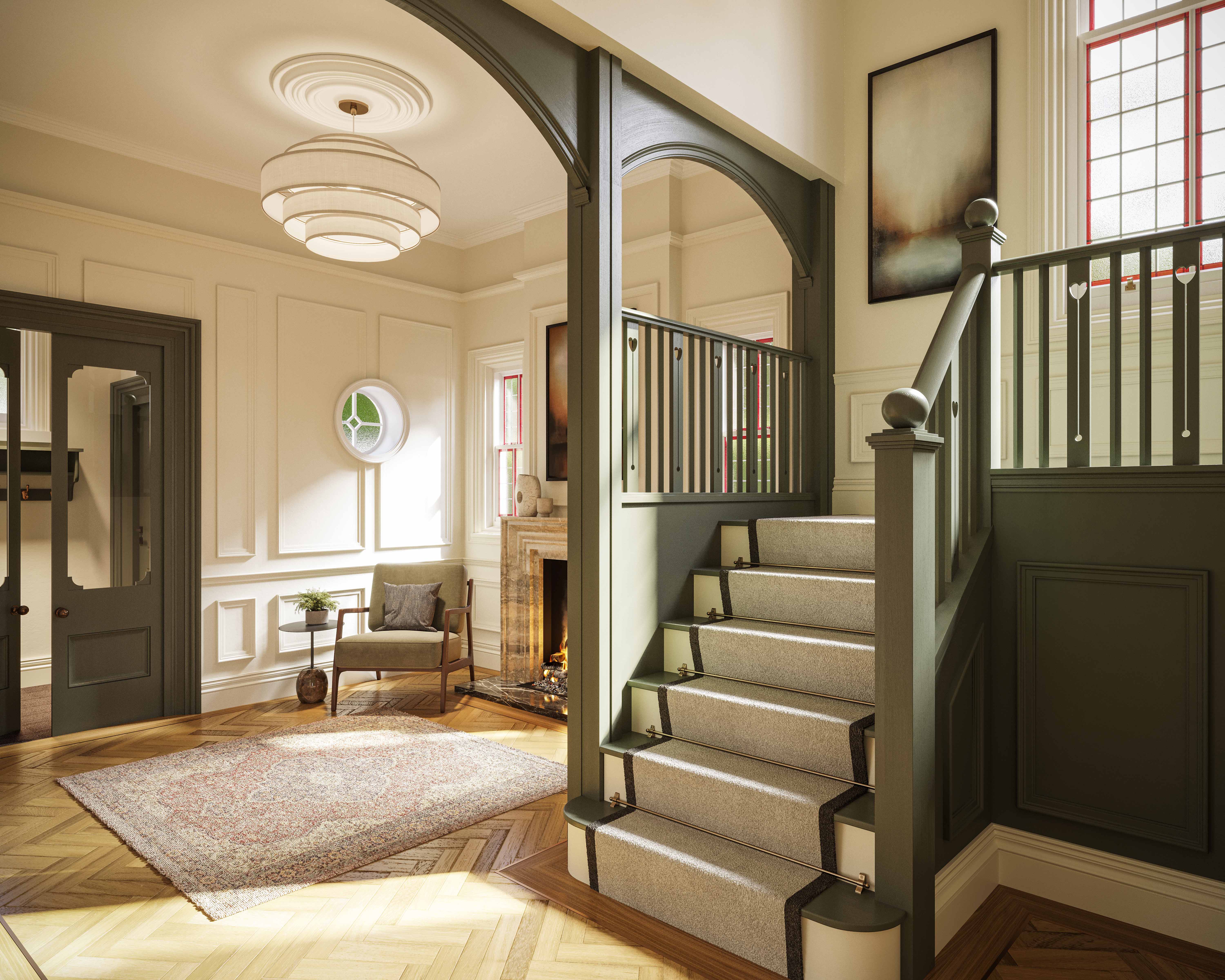
Yes, it will cost you significantly more to heat a home with bad fabric. Low-carbon heating is not an add-on. It must be part of a holistic fabric-first upgrade strategy.
The Warm Homes Plan places welcome emphasis on energy efficiency and lower bills, but the risk — as we have seen before — is that the narrative becomes overly focused on individual technologies. Heat pumps, solar panels and smart systems are all important, but without addressing the fundamentals of insulation, airtightness, thermal bridging and ventilation, their performance will always fall short of expectations and cost more. Many expressed this disappointment when speaking to BBC Breakfast.
A leaky, poorly insulated house doesn’t just waste heat — it locks occupants into higher running costs. Installing a heat pump in this context can actually exacerbate the problem, leading to higher electricity demand and disappointing outcomes. Frustrating homeowners and prompting a loss of confidence in technologies that, when applied correctly, are incredibly effective and are actually what we would should be doing.
By contrast, when architects design a fabric upgrade, the results are transformative. Improving walls, roofs, floors, windows and airtightness can reduce operational energy demand dramatically, allowing low-carbon heating systems to work efficiently and quietly in the background.
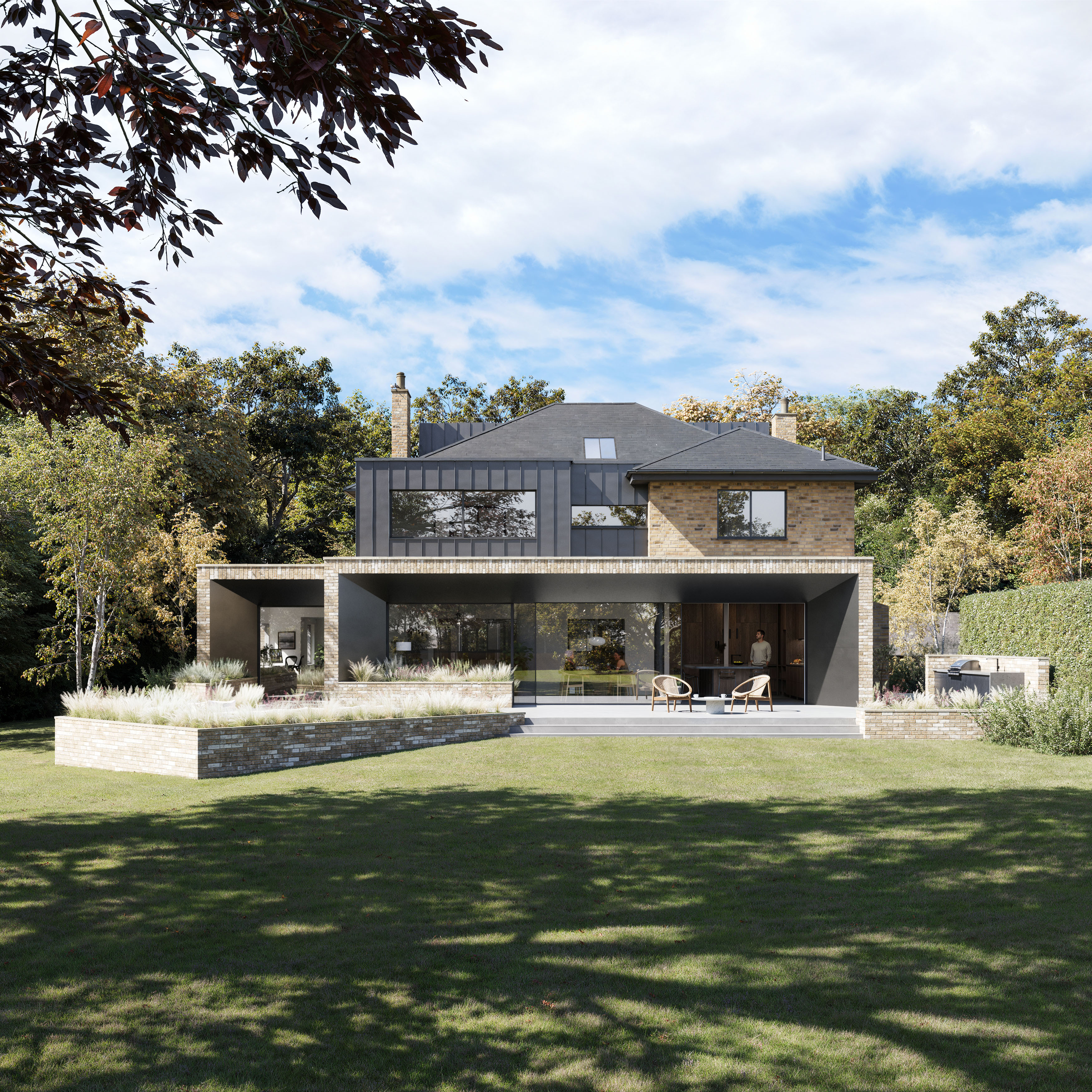
Energy efficiency isn’t about ticking boxes or meeting minimum standards — it’s about understanding buildings. Every home is different, particularly in the UK, where older housing stock dominates and there is a wide difference in how they were built from the 1880’s to the 1960’s. A sensitive, well-designed retrofit strategy can respect architectural character while radically improving performance.
The Warm Homes Plan is an opportunity to shift the conversation away from short-term fixes and towards long-term value. Done properly, energy upgrades future-proof homes, improve health and wellbeing, and reduce exposure to volatile energy prices. But that requires joined-up thinking — from policy, funding and regulation through to design and delivery.
The future of housing lies in fabric-led, low-carbon design, whether in new homes or retrofits. Heating systems should be an integral piece of the design puzzle of a home, not added on without understanding.
As sustainable architects we work with engineers who can give us clarity on a home’s performance through software, like heat Loss/energy use/overheating. It doesn’t now have to be left to chance.
I guess through such shared knowledge there is a chance that the Warm Homes Plan can be realised. Only time will tell.
Accredited by:



.webp)